

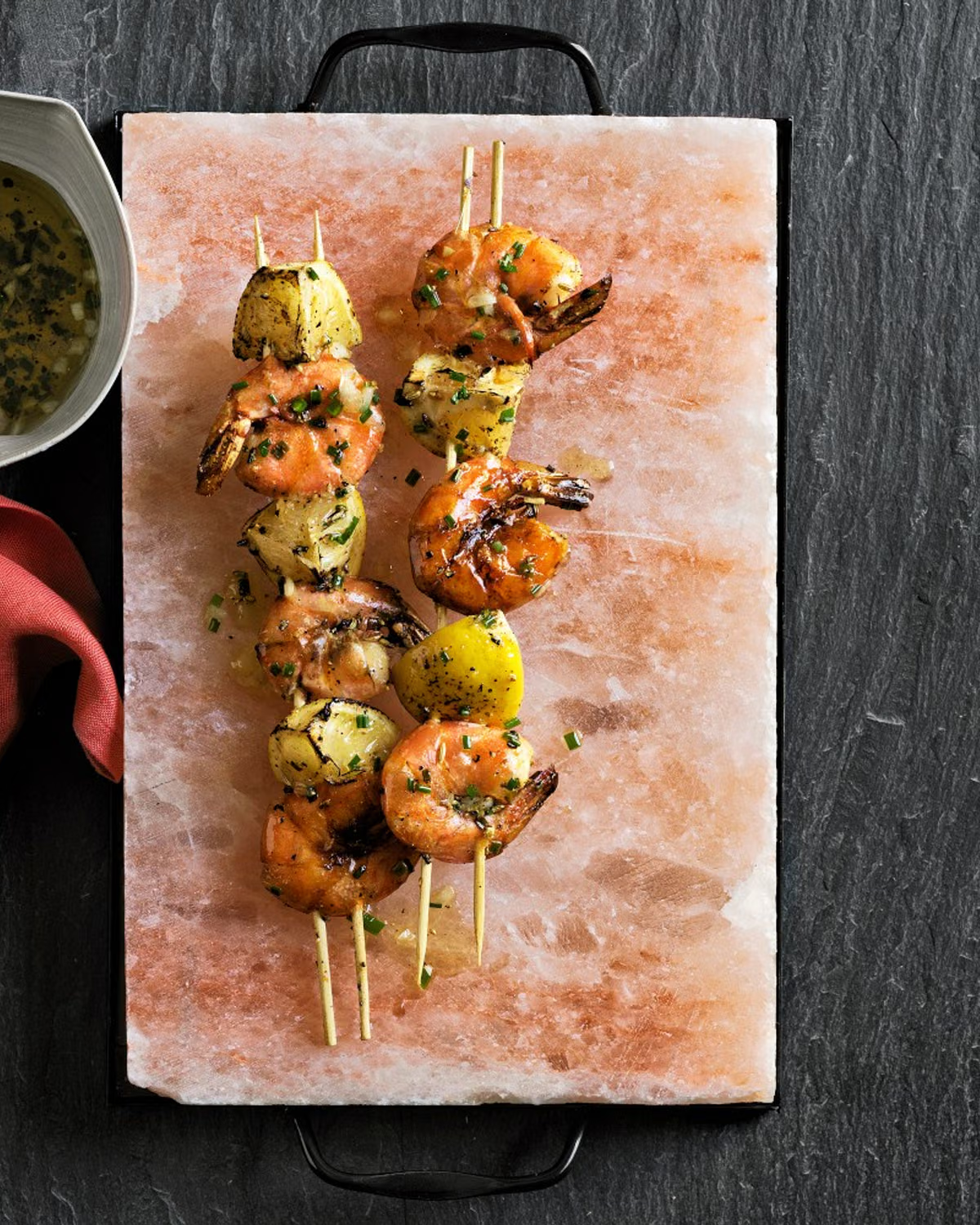
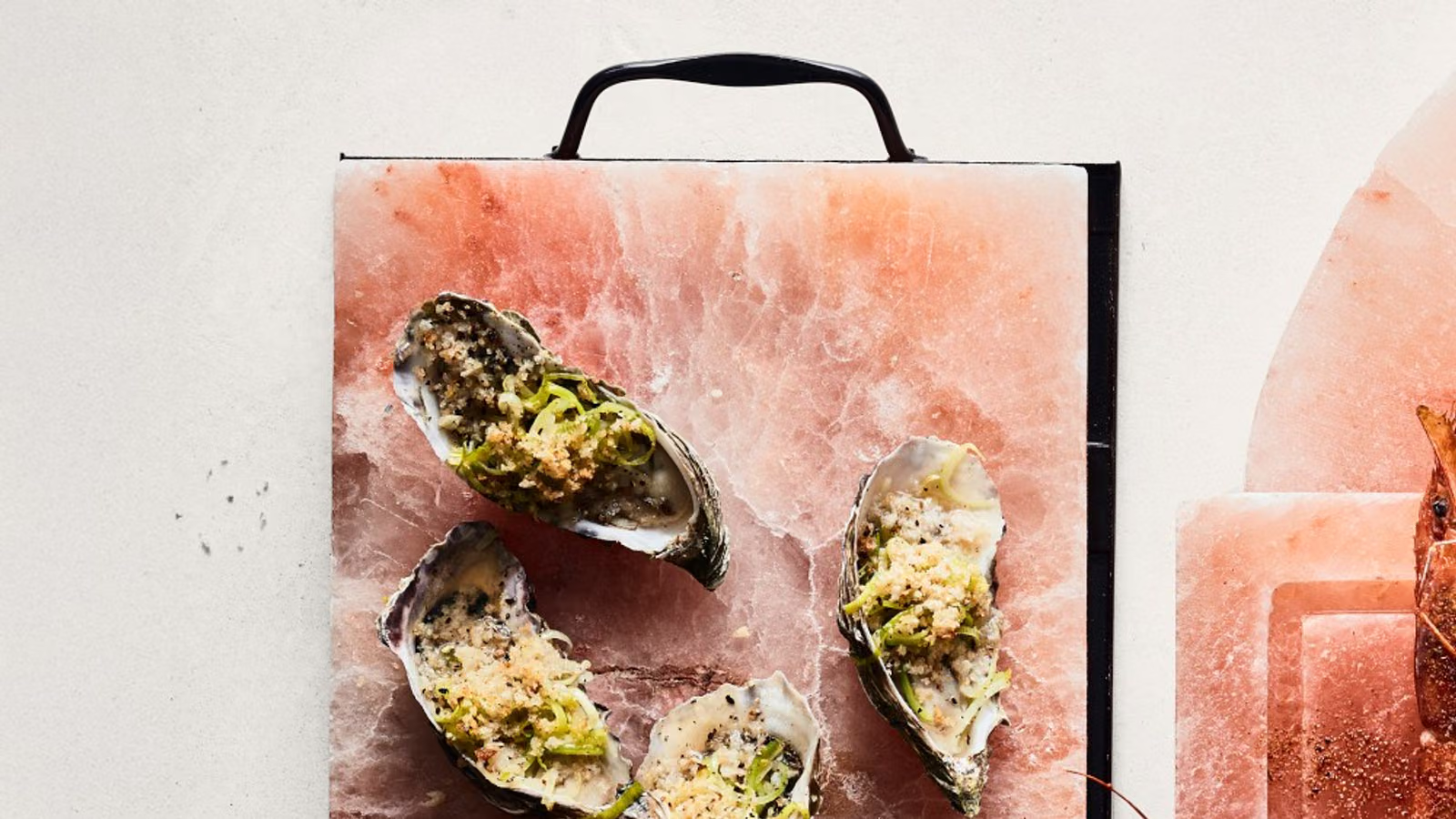
To use a Himalayan salt block, heat it slowly to about 500 F, pat your food dry, brush the food with a little oil, and sear it directly on the stone. Thin, dry foods like scallops, shrimp, and thin steak cook in 2 to 4 minutes a side and pick up a light, even seasoning.
Key takeaways
- Temper the plate fully before the first cook.
- Choose dry, thin, quick cooking food for the first attempt: scallops, shrimp, or a thin steak.
- Dry food transfers noticeably less salt than wet food.
- A 500 F plate cooks fast, often under four minutes for thin cuts.
- Season with everything except salt, then taste before adding any.
- A chilled plate needs no heat schedule and is a gentler way to try it first.
- The crust comes from stored heat meeting a dry surface, not from any coating, oil, or seasoning layer.
- Stay near the plate. It does not forgive inattention the way a low oven does.
Your first cook, step by step
- Temper the plate. Run the full five stage schedule, about 75 minutes. Keep it on the heat the whole time.
- Check the heat. An infrared thermometer should read about 500 F at the center, or water drops should skate and vanish in a second.
- Dry the food. Pat every surface dry with paper towels.
- Oil the food, not the plate. A light brush of neutral oil helps it release.
- Season with everything except salt. Pepper, spices, and herbs are fine.
- Sear and leave it alone. Turn once, when the first side releases on its own.
- Pull it at your doneness. Use a thermometer for meat and fish.
- Let the plate cool in place. Then clean it dry.
What should you cook first on a salt block?
Pick food that is dry, thin, and quick. Sea scallops, peeled shrimp, and a thin cut steak are the easiest, because they cook in 2 to 4 minutes and show clear signs when they are done. Halloumi, asparagus, and thick zucchini slices are also forgiving.
Save thick roasts, whole fish, and eggs for later. Eggs set almost instantly on a hot plate, so they reward a cook who already knows the plate's speed. Start with one of these:
Does food taste salty on a salt block?
Usually less than people expect. Moisture is the biggest factor. Dry food on a very hot plate takes on a light seasoning, while wet or marinated food takes on much more. Fat resists salt, so a light coat of oil also reduces it. Taste before adding any extra salt. Our guide on how salty food gets goes deeper.
Can you cook marinated food on a salt block?
Not straight from the marinade. Liquid on a hot plate turns to steam, soaks into the grain, and can crack the stone. It also makes the food much saltier. If a marinade matters to the dish, pat the food completely dry before it touches the plate, and skip brines entirely.
Reading doneness
A 500 F plate sears fast, often faster than a pan, so stay at the plate. For thin seafood, press lightly: a gentle spring back means it is close. For meat and fish, use an instant read thermometer. The USDA safe minimums are 145 F for steak and fish (with a 3 minute rest for steak) and 165 F for poultry. Shrimp and scallops are done when they turn opaque and pearly.
How is a salt block different from a pan or grill?
A pan cools where food touches it, which is why a crowded pan steams. An 11 pound salt plate stores far more heat, so the surface barely drops when food lands. That stored heat meeting a dry surface is what builds the crust.
A grill cooks mostly by radiant heat and flame, with hot and cool zones. A salt plate cooks entirely by contact, so heat is even from edge to center, and there are no flare ups. It is closer to a very hot cast iron griddle that seasons as it cooks. Compare them in salt block vs cast iron.
What to expect the first time
- Speed. Thin proteins cook in under 4 minutes a side.
- Light seasoning. Dry food picks up less salt than you might think.
- Ticking sounds. Normal, especially straight after tempering.
- A white, cloudy surface afterward. Normal dried salt, not damage.
- Variation. Each plate is cut stone, so think of the first few cooks as calibration.
Prefer to start cold?
A salt plate needs no tempering for chilled serving. Chill a dry plate for 2 hours in the refrigerator or 1 hour in the freezer, then serve sashimi, fruit, or cheese on it. It holds serving temperature for about an hour. See the chilled serving guide.
Mistakes to avoid
- Cooking wet or marinated food. Pat everything dry.
- Walking away. The plate cooks fast.
- Salting before tasting. You can add salt, not remove it.
- Crowding the plate. Leave space and cook in rounds.
- Moving the hot plate. Let it cool where it is.
FAQ
Questions, answered
Steak, scallops, shrimp, thin fish fillets, thin chicken, vegetables, halloumi, and eggs work well. Choose food that cooks fast and sits flat.
Avoid food that needs a long cook, contains a lot of liquid, or is already heavily salted. Braises, sauces, and cured meats are poor fits.