


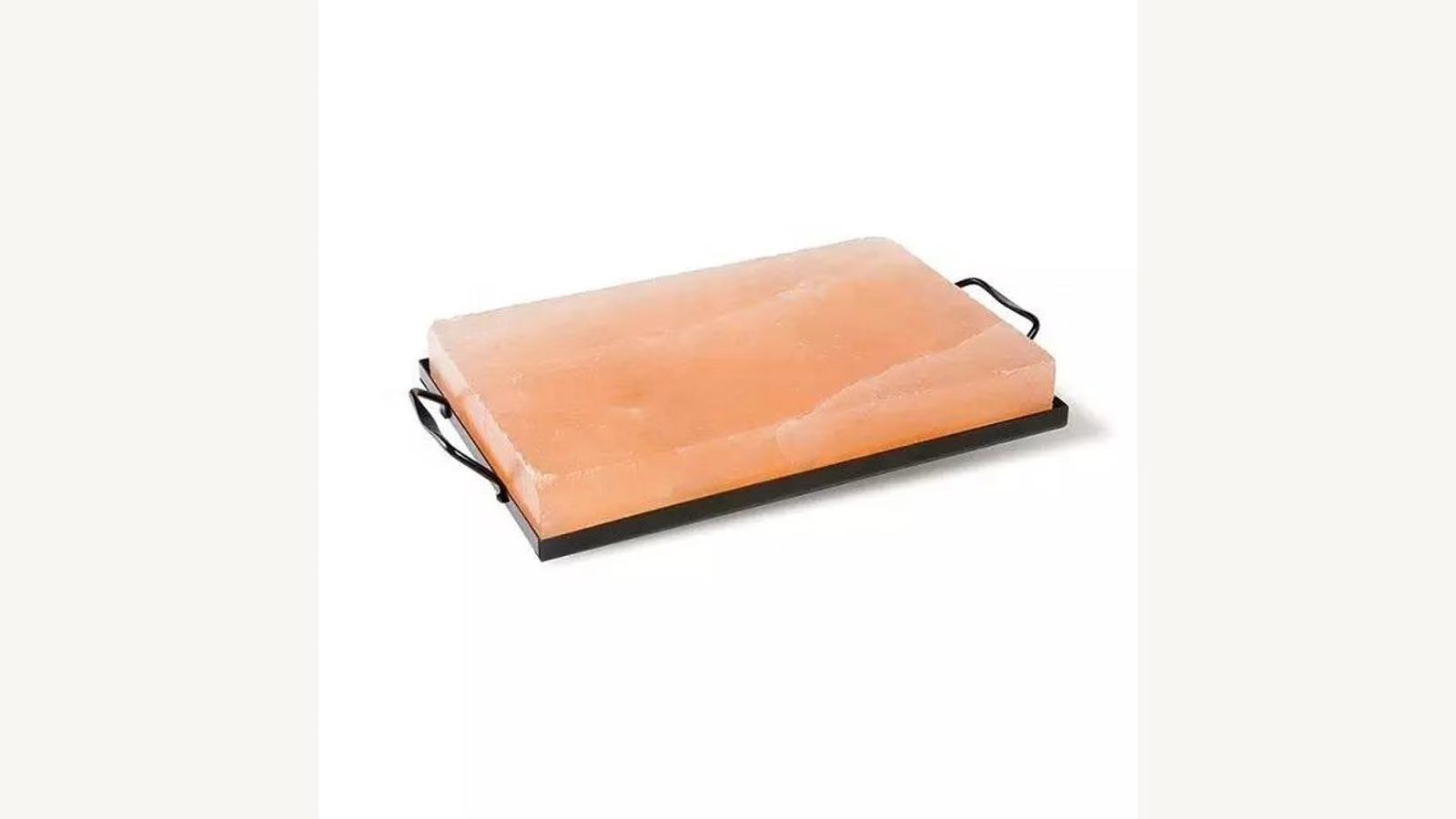
To clean a Himalayan salt block, let it cool completely, scrape off cooked food, brush the grain, and wipe once with a barely damp cloth. Never soak it, use soap, or put it in a dishwasher. Let it air dry for at least 24 hours, then wrap it in a cloth and store it somewhere dry.
Key takeaways
- Water is the real risk to a salt plate, not heat, since halite dissolves in it.
- Let the plate cool completely before cleaning it.
- Scrape residue, wipe once with a barely damp cloth, and never soak the stone.
- Dry the plate completely before storage, even if that takes longer than it looks like it should.
- Store it dry, off the floor, and away from humid spots like a sink or dishwasher.
- Most plates last 20 to 100 uses. Chilled-only use lasts much longer.
- A plate getting thinner over time is normal wear, similar to a cutting board.
- Use only water, in the smallest amount possible. No soap, no degreaser, no dishwasher.
How to clean a salt block, step by step
- Cool it in place. Leave the plate where it finished cooking until it is at room temperature all the way through. This can take several hours.
- Scrape. Lift cooked residue with a bench scraper, plastic scraper, or fish spatula.
- Brush. Clear the textured grain with a stiff, dry nylon brush.
- Wipe once. Use a cloth or sponge that is barely damp, with no water dripping from it.
- Dry. Pat with a dry cloth, then air dry for 24 hours before storing or heating.
- Store. Wrap in a clean, dry cloth and keep on a dry shelf.
Why is water the real risk?
Halite dissolves in water. Running water or soaking does more than wet the surface. It thins the plate and carries moisture into the grain beneath. That moisture stays trapped until the next heat, when it turns to steam and can split the stone. Every cleaning rule here exists to keep water out or remove it completely.
Can you use soap on a salt block?
No. Soap needs rinsing, which means more water, and it can leave a taste in the stone. You also do not need it. Scraping and brushing remove residue, and a hot plate at 500 F heats the surface well past safe food temperatures during the next cook.
Can a salt block go in the dishwasher?
Never. A dishwasher combines long water exposure, heat, and detergent, which is the worst possible case for a salt block. It will dissolve the surface and likely crack the plate.
Is a salt block sanitary?
A clean, dry salt surface has very low water activity, which slows the growth of many microbes, though not all. That is a reason the surface stays in good shape between uses, not a reason to skip cleaning. Scrape, brush, and wipe after every use, and let it dry fully. For chilled use with raw fish, start with a clean, dry plate each time.
How long should a salt block dry?
At least 24 hours after wiping, and longer in a humid kitchen. The plate should feel dry and room temperature to the touch, with no coolness from hidden moisture, before it is stored or heated.
How should you store a salt block?
Wrap it in a clean, dry towel or return it to its box. Keep it off the floor and away from the sink, dishwasher, and stove, where steam collects. A dry pantry shelf is ideal. Avoid sealing it in plastic wrap, which can trap moisture against the stone. In very humid climates, a towel wrap in a closed cupboard works well.
Cleaning after chilled use
After cold serving, let the plate come to room temperature, wipe away condensation and food with a barely damp cloth, and dry it the same way. Never return a damp plate to the freezer. Ice in the grain behaves like trapped moisture during the next heat.
Tools to use and avoid
| Use | Avoid |
|---|---|
| Bench scraper, plastic scraper, fish spatula | Dish soap, degreasers, cleaning sprays |
| Stiff dry nylon brush | Steel wool, scouring pads, wire grill brushes |
| Barely damp cloth or sponge | Running tap, soaking, dishwasher |
How long does a salt block last?
With careful heating and dry storage, most plates give 20 to 100 hot cooks before they thin out or split. Plates used mainly for chilled serving can last several years. Slow thinning is normal wear, like a cutting board. Read the full lifespan and replacement guide.
Common mistakes
- Cleaning a plate that is still warm.
- Soaking it to loosen stuck food.
- Storing it damp or half dry.
- Keeping it near a sink, dishwasher, or stove.
- Freezing a plate that is not fully dry.
FAQ
Questions, answered
Let it cool completely. Scrape off residue. Wipe with a barely damp cloth and dry it fully. Never soak it, run it under a tap, or put it in a dishwasher.
Store it dry, wrapped in a cloth or in its box, off the floor and out of a humid cupboard.
With careful heating and dry storage, most plates give 20 to 100 uses before they thin out or split. Plates used mainly for chilled serving can last several years.
Yes. The surface erodes slowly with use and washing. That is normal. A plate is a consumable, closer to a cutting board than a pan.
A light brush of neutral oil helps release. Do not let oil pool and do not season the plate like cast iron. Salt does not take a seasoning layer.