


KHEWRA SEAM, PUNJAB, PAKISTAN
Himalayan salt blocks for cooking
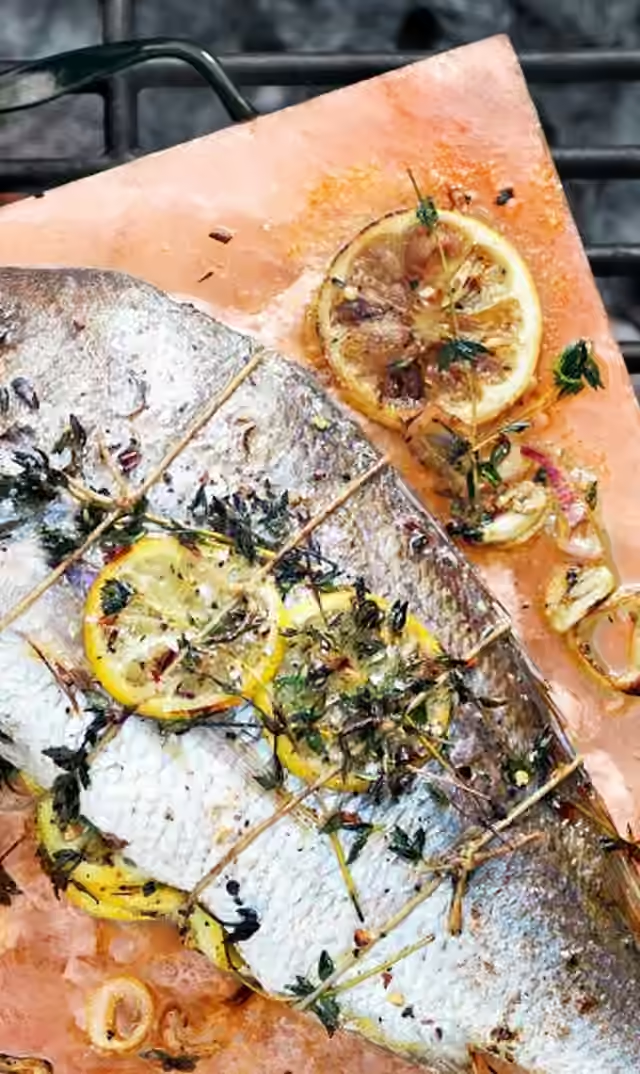
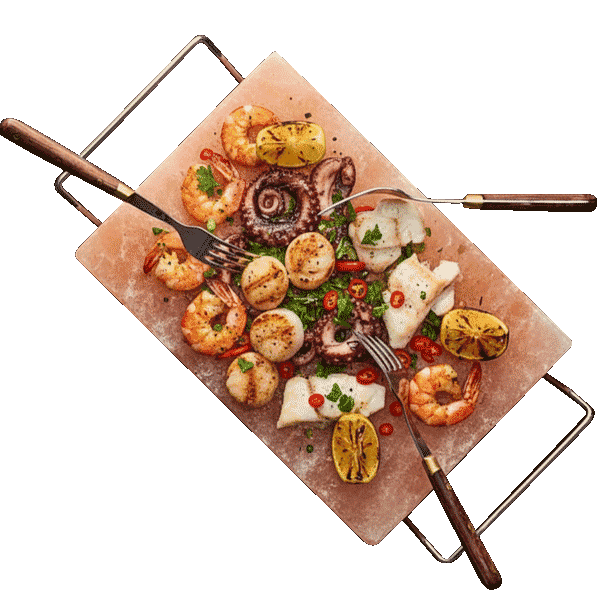
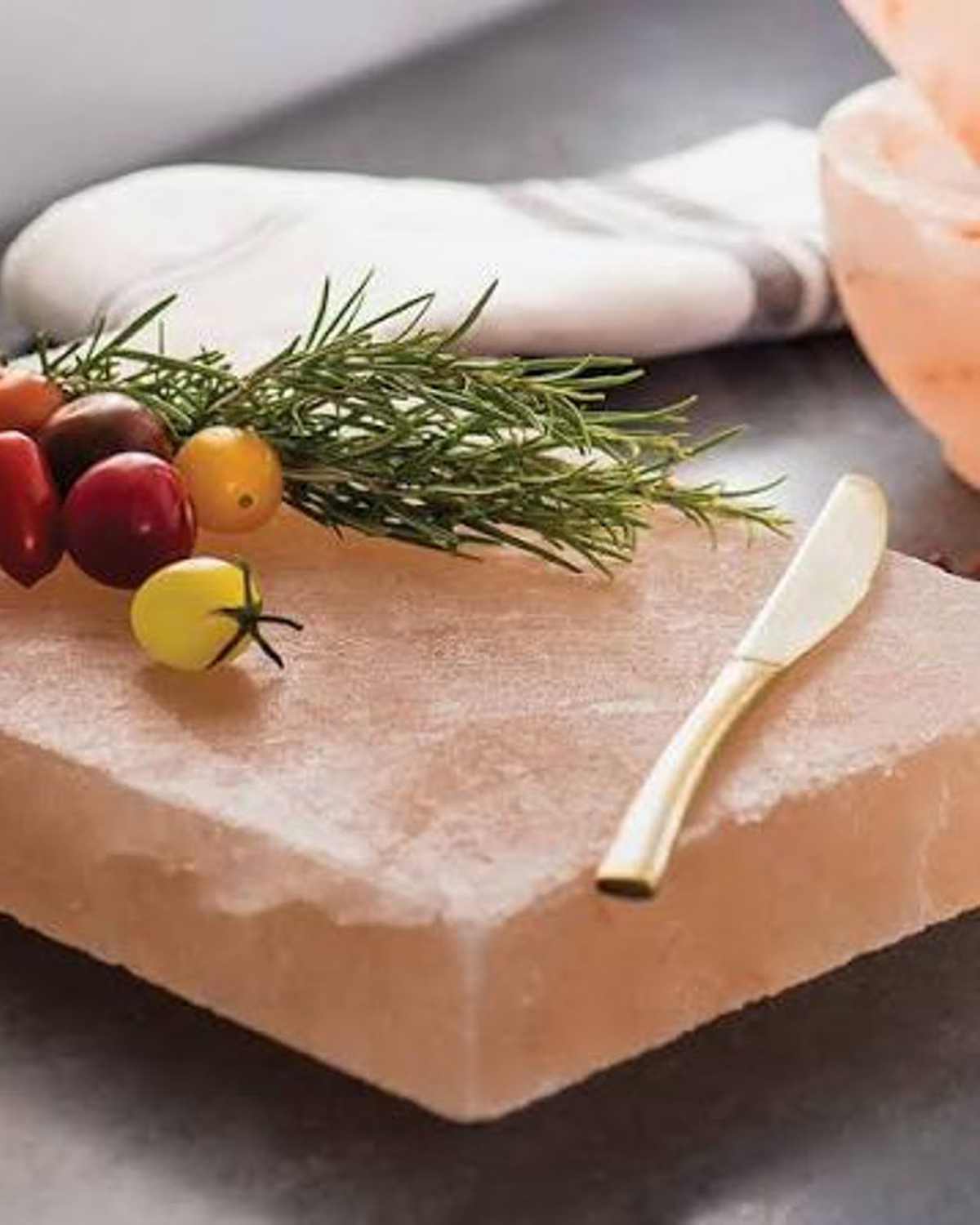
Cut from the Khewra salt mine in Pakistan. Sear steak and seafood at 500 F, or chill the block to serve sushi, fruit, and cheese.
- Single originKhewra, Pakistan
- Secure shippingCockeysville, MD
- Easy returnsWithin 15 days
- Secure checkoutShopify checkout

SHIPPING FROM MARYLAND
From the Khewra seam to your kitchen
Salt Slab Co ships from Cockeysville, Maryland, to every corner of the United States, and across Canada too.
Read the shipping policyABOUT SALT SLAB CO
Cookware cut from the Khewra seam
Our cooking plates are cut from the Khewra Salt Mine in Punjab, Pakistan and shipped from Cockeysville, Maryland.
Read our story- Origin
- Khewra, Punjab
- Cut
- Single block
- Working heat
- 500 F
THE MATERIAL
What you are actually cooking on
HEAT RETENTION
EVEN HEATING
NATURAL SEASONING
THE FIRST HEAT
Take it up slowly and it lasts
A salt plate holds moisture. Heat it too fast and steam forms inside the stone. The five stage schedule takes 75 minutes the first time and 30 to 45 minutes after that.
WORKING HEAT500F
75 minutes, once.
01200 F15 minutesDrive off surface moisture
The outside of the plate is losing water. You may see faint darkening as it dries. Nothing is happening at the core yet.
02250 F15 minutesLet the core catch up
The surface is hotter than the middle. Holding here lets the temperature even out across the full thickness, so the plate expands as one piece.
03300 F15 minutesOpen the grain
You may hear light ticking or popping. The crystal structure is adjusting. Loud cracking is not normal, so drop the heat and hold if you hear it.
04400 F15 minutesBring the mass up
The whole plate is heated through and carrying real energy. Use heat resistant gloves. The plate stays dangerously hot for hours.
05500 FReadySear
The plate is at working temperature. Water flicked on the surface should skate and vanish. Cook now and leave the plate in place until you finish.
SHOP BY USE
Choose by what you cook

SERVE
Chilled in the fridge, it holds serving temperature for about an hour. Sashimi, fruit, cheese, charcuterie.
Shop serving plates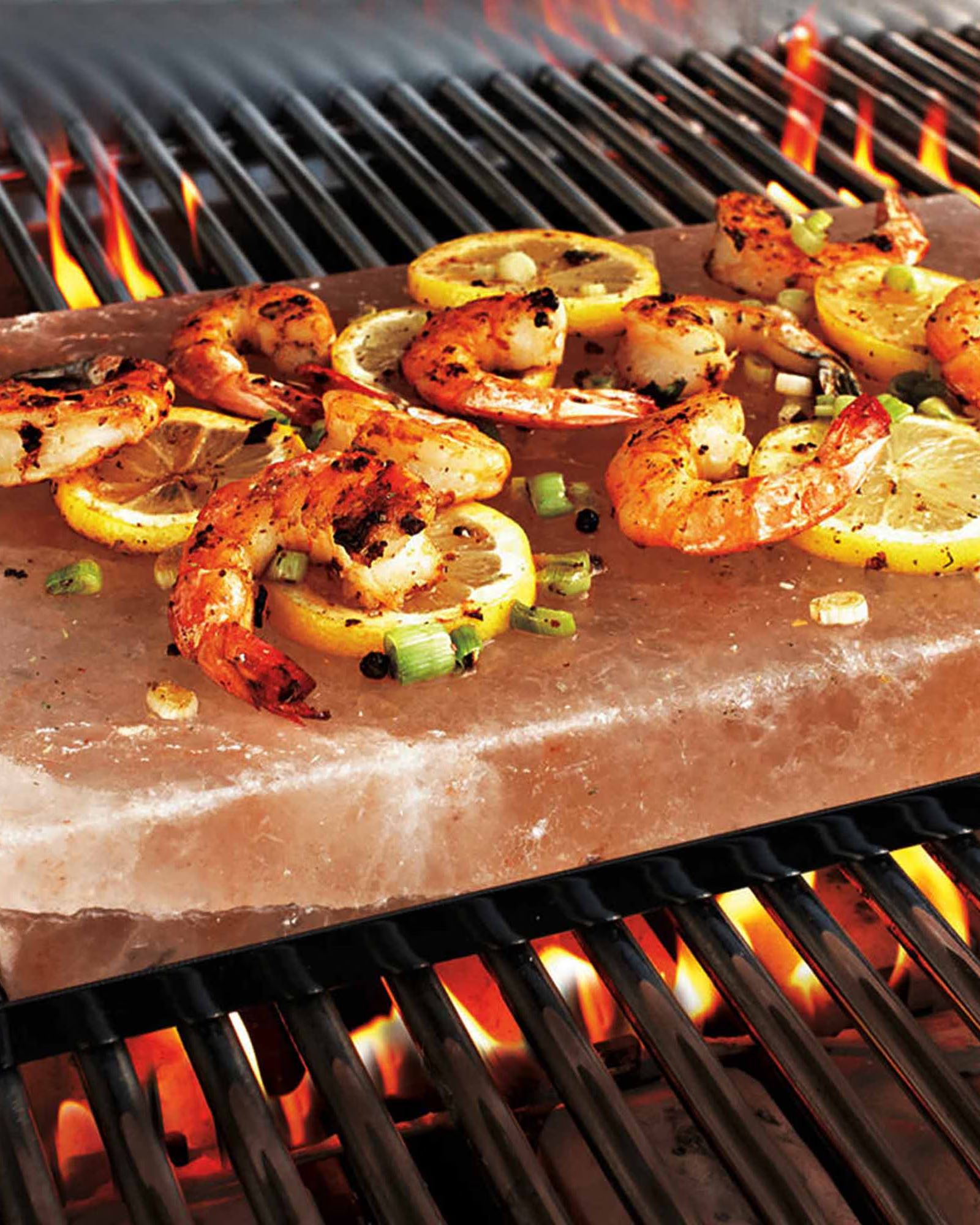
CHOOSING A SIZE
Which plate you need
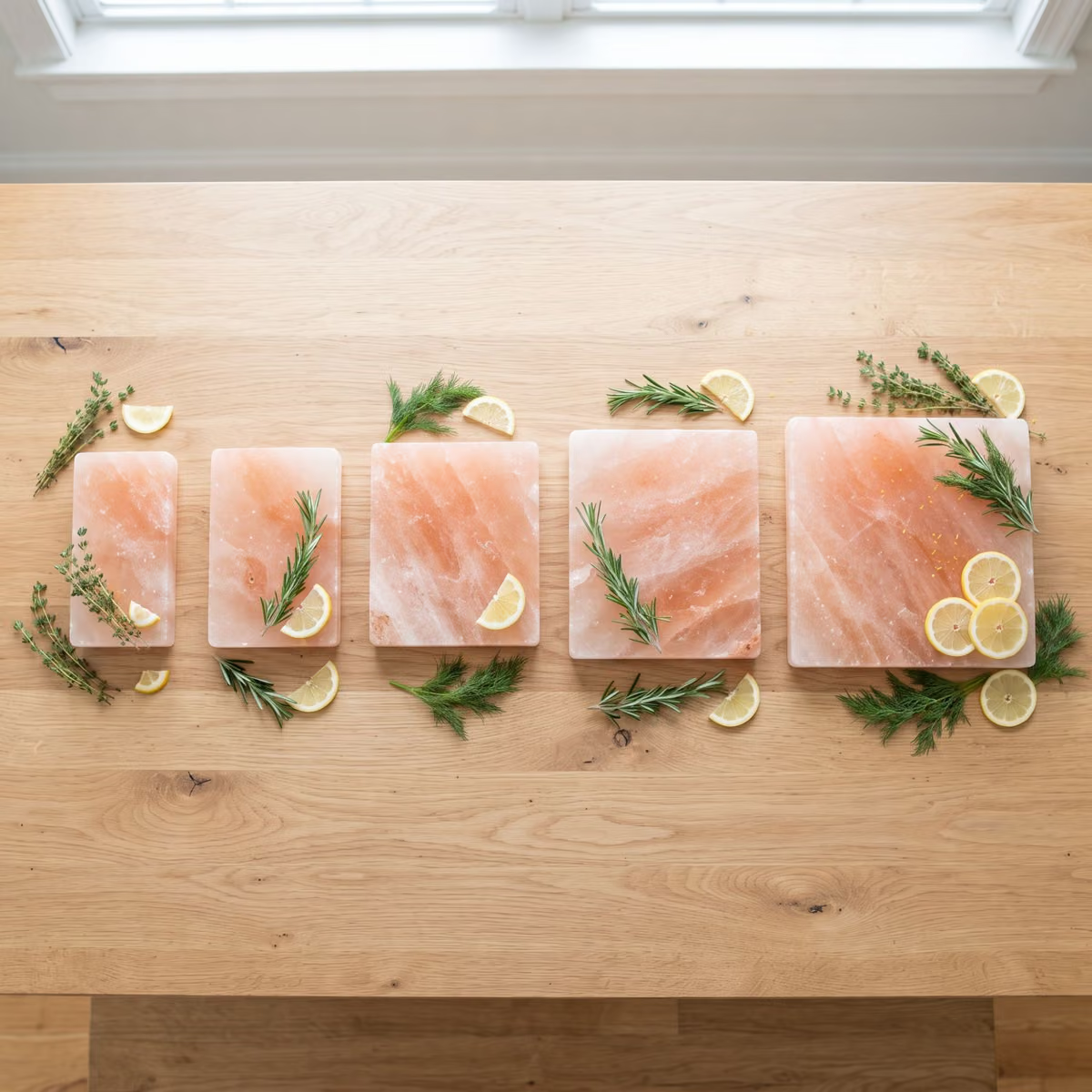
Most people should buy the 12 by 8. Here is why, and when to buy something else.
| Plate | Dimensions | Mass | Feeds | Best for |
|---|---|---|---|---|
| 12 x 8 plate | 12 x 8 x 1.5 in | About 11 lb | 2 to 4 | Searing steak, scallops, shrimp |


HONESTLY
Salt plates crack. Here is why, and how not to.
Every salt plate has a lifespan. We would rather explain failure before you buy than after.
- 01
Heating too fast
Moisture turns to steam inside the stone. Follow the five stage schedule.
- 02
Thermal shock
A cold or wet counter contracts one face. Let the plate cool where it sits.
- 03
Water
Running water dissolves the surface. Scrape, wipe once, and dry completely.
- 04
Damp storage
A humid cupboard loads the grain with moisture. Store the plate dry and wrapped.
If a plate arrives cracked or breaks on the first heat, we replace it. Tell us within 15 days and send a photo. Cracking after regular use is normal wear and is not covered.
RECIPES
What to cook first
Short, tested, and written for the plate rather than adapted from a pan.


PROVENANCE
Where the stone comes from
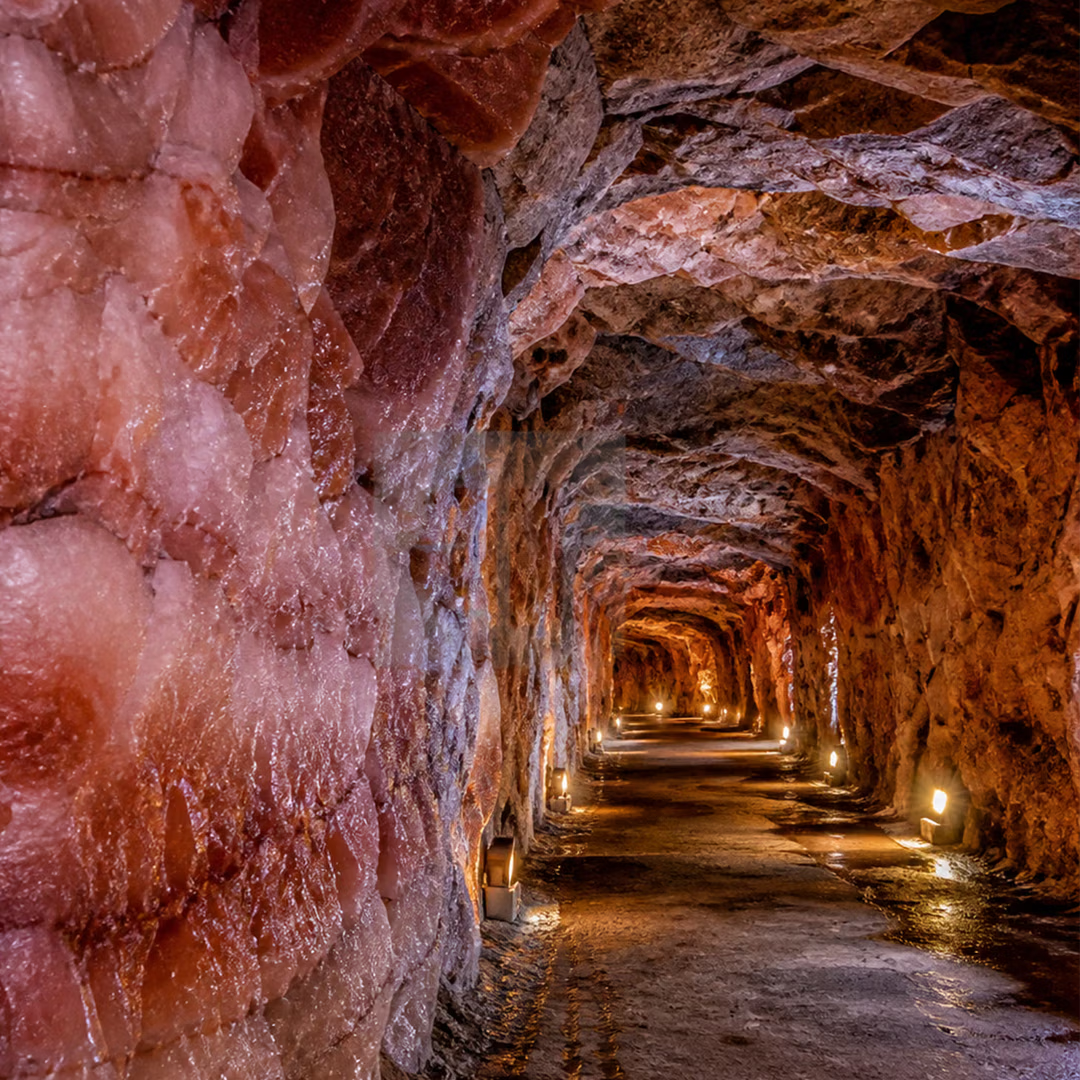
Every plate is cut from the Khewra Salt Mine in Punjab, Pakistan. The deposit formed roughly 250 million years ago when a shallow sea dried and was buried under the rising Himalayas.
The stone is 98%+ sodium chloride with 84 or more trace minerals. Nothing is added to the cooking surface.
Inside the mineNOTES FROM THE KITCHEN
Get the guides
Cooking notes, temperature charts, and new recipes. About twice a month, and nothing else.