

Use the stone with confidence
Start with the temperature ramp, then learn how moisture, contact time, and storage shape every cook.

How to press food with a salt brick
Heat a Himalayan salt brick to about 375 F to 400 F and set it on top of chicken, burgers, or sandwiches. It cooks the top, presses the food flat for crisp, even browning, and seasons both sides.

What can you cook on a salt block? 25 ideas
The best foods for a salt block are thin, dry, and quick to cook: steak, scallops, shrimp, fish, vegetables, halloumi, and eggs. Chilled, it serves sashimi, fruit, and cheese. Here are 25 ideas with times.

How to serve food on a chilled salt plate
Chill a dry salt plate for 2 hours in the refrigerator or 1 hour in the freezer, and it holds serving temperature for about an hour. It keeps sashimi, fruit, and cheese cold while seasoning them lightly.

Salt block vs cast iron: which should you cook on?
A cast iron pan is an everyday workhorse. A salt block is a specialty surface that sears, seasons, and serves at the table. Most cooks use both. Here is how they compare.

Does a salt block make food salty?
A salt block gives food a light, even seasoning, not a heavy salt taste. Moisture, contact time, and plate temperature decide how much salt transfers. Dry food on a very hot plate takes the least.

Salt block on induction, glass top, and electric stoves
A salt block works on an electric coil stove with a diffuser or holder. It does not work on induction, because salt is not magnetic, and we do not recommend glass top stoves. Here is what to use instead.

How long does a salt block last?
A Himalayan salt block used for hot cooking usually lasts 20 to 100 cooks. A plate used mostly for chilled serving can last several years. How you heat, clean, and store it decides where yours lands.
How to use a salt block: your first cook
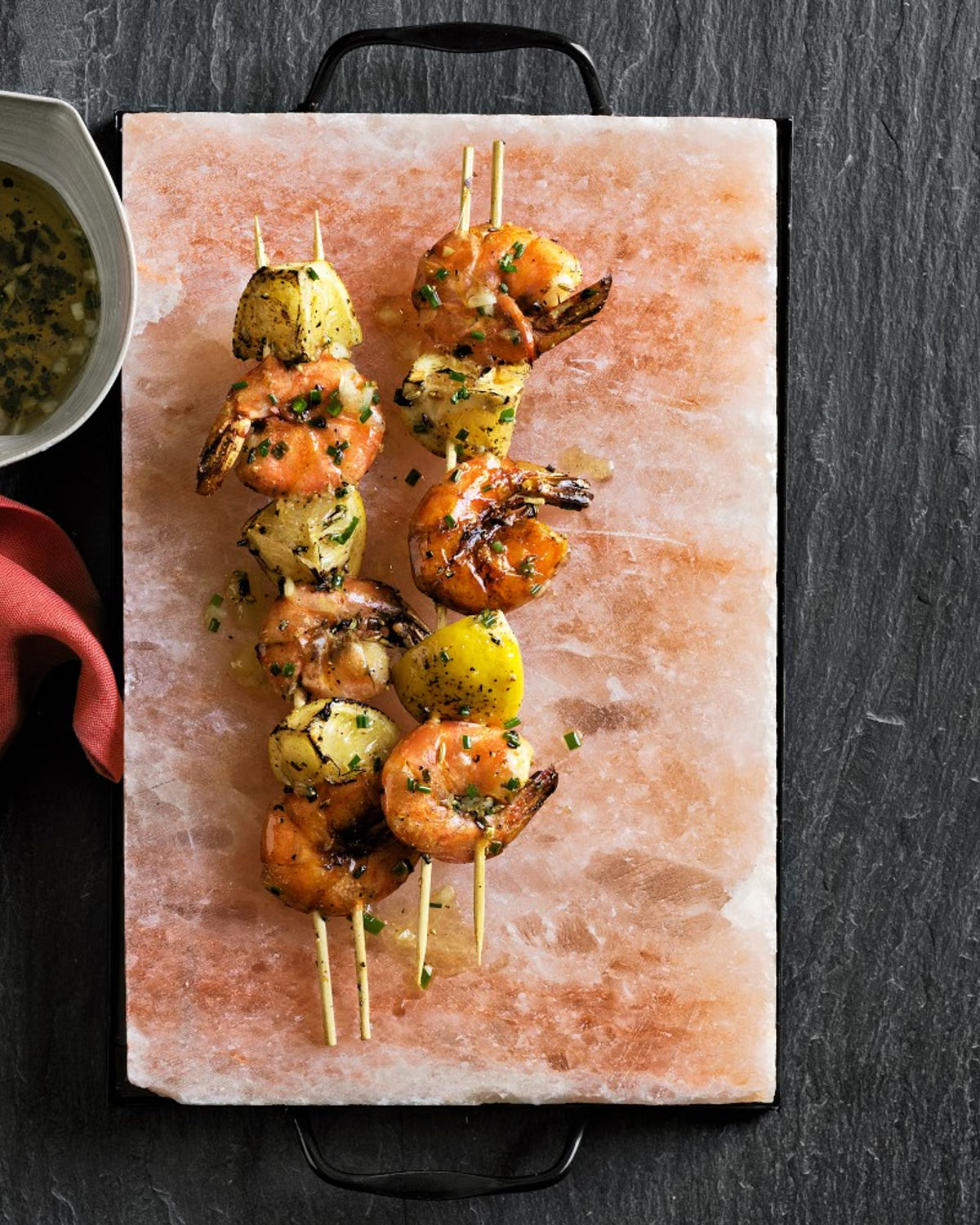
For your first cook on a salt block, temper the plate to 500 F, then sear something thin and dry like scallops, shrimp, or a thin steak. Pat it dry, oil the food, and cook 2 to 4 minutes a side.

How to temper a Himalayan salt block
To temper a salt block, heat it from cold in five 15 minute stages: 200 F, 250 F, 300 F, 400 F, then 500 F. The first temper takes about 75 minutes. Later heat-ups take 30 to 45 minutes, but always start cold.

Salt block heat source guide: stove, oven, and grill
A salt block works on gas burners, electric coils with a diffuser, ovens, and charcoal or gas grills. It does not work on induction, and we do not recommend glass top stoves. Every source uses the same cold start and staged heat.

What size salt block should you buy?
For most kitchens, a 12 x 8 x 1.5 inch salt block is the right size. It fits a standard burner, grill, and oven rack and feeds two to four people. Cooking for more? Two or four plates cover a bigger table.

How to clean and store a Himalayan salt block
To clean a salt block, let it cool completely, scrape off residue, brush the grain, and wipe once with a barely damp cloth. Never use soap, a dishwasher, or running water. Dry it for 24 hours and store it somewhere dry.

Why salt blocks crack, and how to avoid it
Most salt blocks crack for one of four reasons: heating too fast, thermal shock, washing with water, or damp storage. Each has a simple fix. Light ticking while heating is normal. A single loud crack is not.