


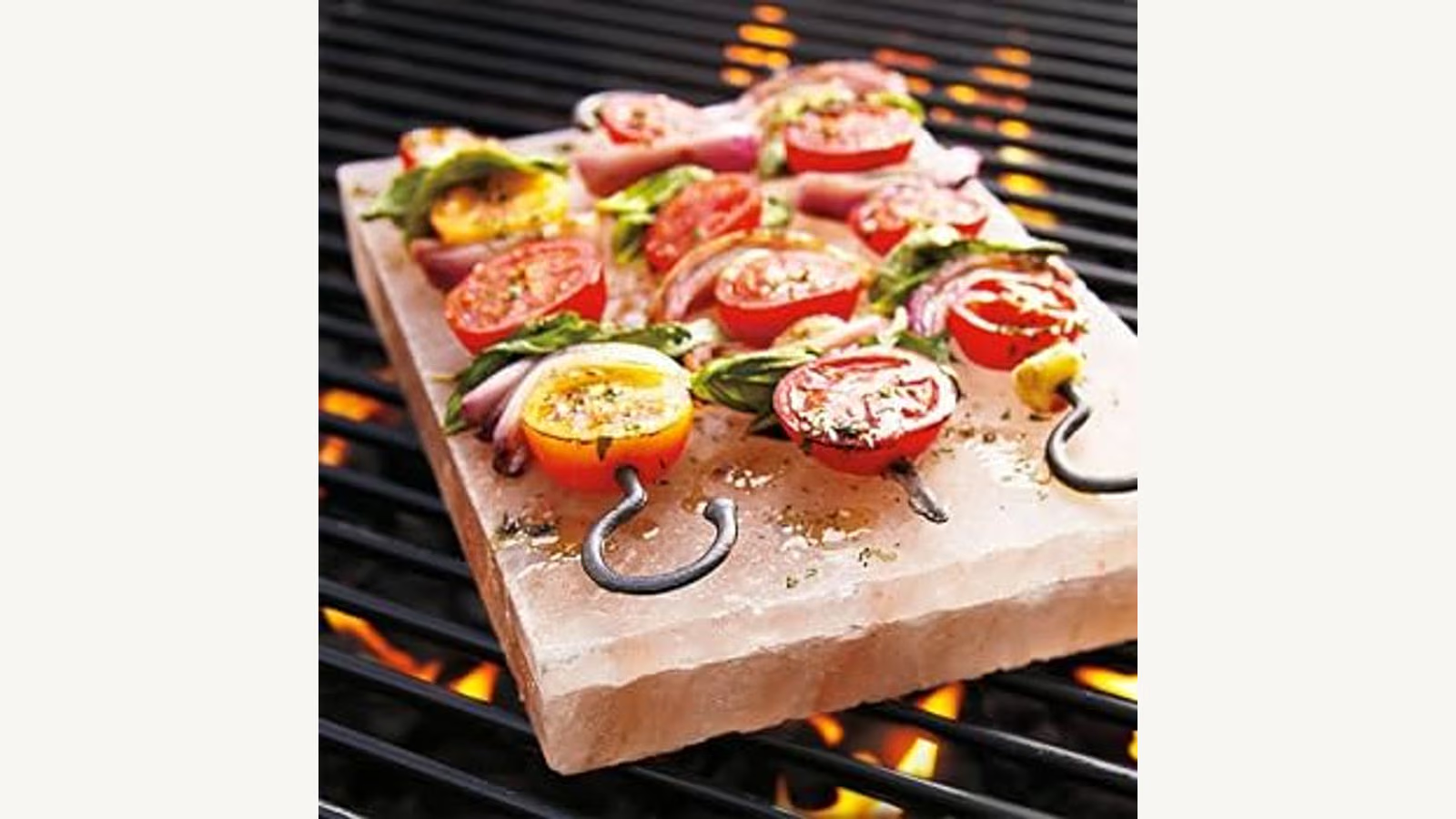
Buy a 12 x 8 x 1.5 inch salt block if you are unsure. It fits a standard burner, most grills, and a full oven rack, weighs about 11 pounds, and feeds two to four people. For bigger tables, two or four plates let you cook in one round or keep one plate hot and one chilled.
Key takeaways
- The 12 x 8 x 1.5 inch plate is the right first salt block for most kitchens. It weighs about 11 lb and feeds two to four.
- Thickness matters: 1.5 inches holds enough heat to sear a full batch without cooling down.
- Two plates feed four, or let you run one hot and one chilled. Four plates cover six to eight.
- Every plate follows the same five stage tempering schedule to 500 F.
- Salt blocks do not work on induction or glass top stoves. Electric coils need a diffuser or cast iron holder.
- An 8 x 4 x 2 inch salt brick is the tool for pressing food from above.
Salt block options compared
| 1 plate | 2 plate set | 4 plate set | |
|---|---|---|---|
| Plate size | 12 x 8 x 1.5 in | 12 x 8 x 1.5 in | 12 x 8 x 1.5 in |
| Weight per plate | about 11 lb (5 kg) | about 11 lb (5 kg) | about 11 lb (5 kg) |
| Cooking surface | 96 sq in | 192 sq in | 384 sq in |
| Feeds | 2 comfortably, 4 in rounds | 4, or one hot and one chilled | 6 to 8 |
| Serving tray | No | Yes | Yes |
Why is 12 x 8 the standard size?
The 12 x 8 footprint is the most common salt block size for a reason. It covers a standard home burner without overhanging far past the flame, sits on most grill grates, and clears a full oven rack. One plate holds two ribeyes, eight large scallops, or about 16 shrimp in one round.
Is 1.5 inches or 2 inches thicker better?
Thickness decides how much heat the plate stores. Thin plates cool the moment cold food lands on them, and they crack more easily. At 1.5 inches, a 12 x 8 plate holds enough heat to sear a full batch without the surface dropping below searing temperature, while still heating in a reasonable time. A 2 inch plate holds heat a little longer but adds weight and heat-up time. Avoid plates under 1.5 inches for hot cooking.
How many salt blocks do you need?
- One plate: cooking for one or two, or four if you cook in rounds.
- Two plates: a family of four in one round, or one plate searing while the other is chilled for sashimi or cheese.
- Four plates: hosting six to eight, or rotating plates so each dries fully between uses.
What about a salt brick?
An 8 x 4 x 2 inch salt brick is a different tool. Heated, it presses chicken, burgers, and sandwiches from above. See the pressing guide.
Matching size to your heat source
A standard gas burner fits a 12 x 8 plate. On an electric coil, add a metal diffuser or cast iron holder. An oven and most grills fit one or two plates side by side. Salt blocks do not work on induction or glass top stoves. Details are in the heat source guide.
Does the number of plates change tempering time?
No. Each plate follows the same five stage schedule to 500 F, about 75 minutes the first time. You can temper two plates side by side in an oven or on a large grill. Hold each stage for the full 15 minutes.
Our recommendation
- First salt block: the 12 x 8 searing plate.
- A family, or hot and cold at once: the 2 plate set with tray.
- Hosting or restaurant service: the 4 plate set with tray.